

Published August 7, 2026
Is Buying a Home Really That Expensive?

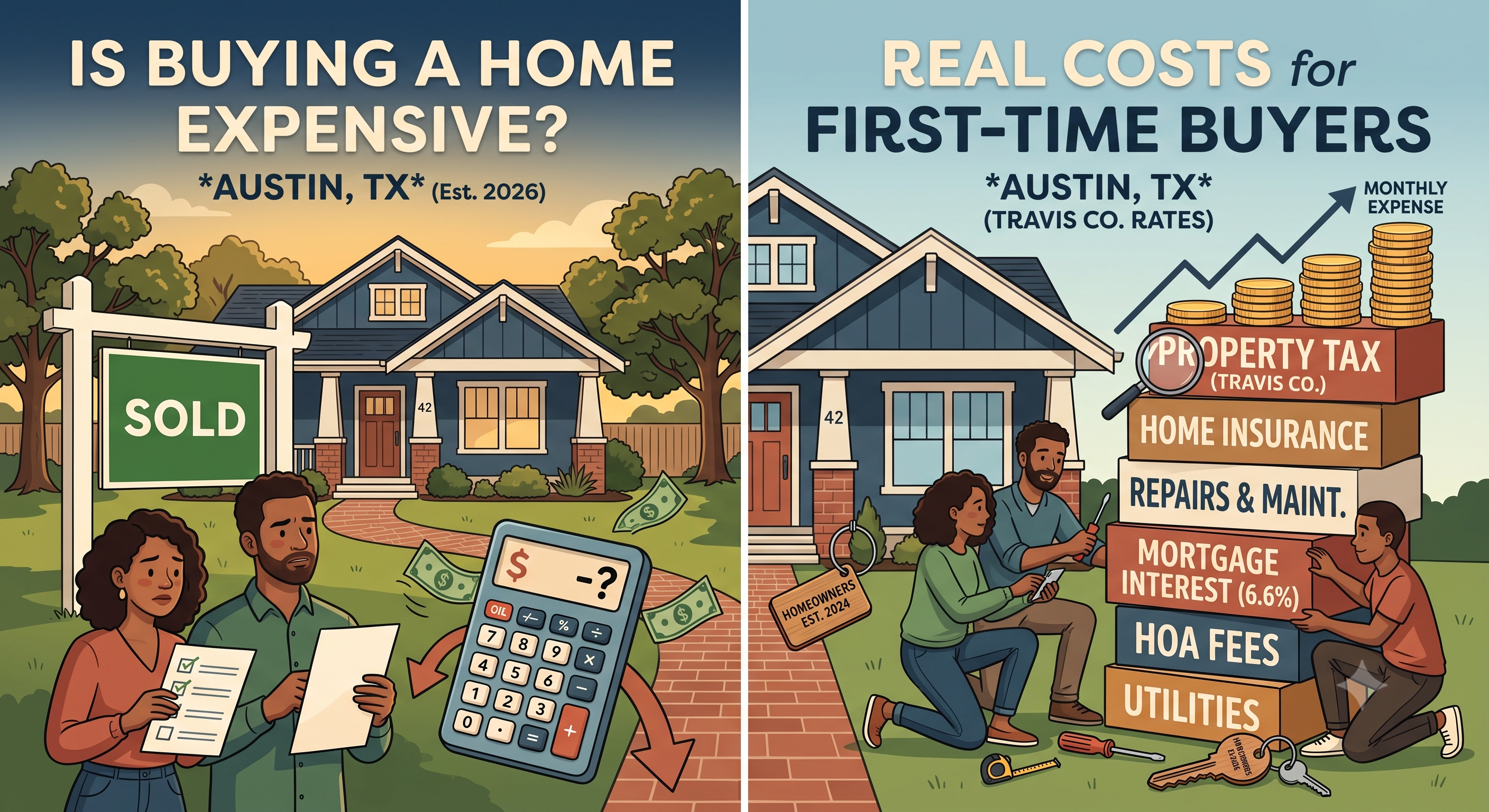
Is Buying a Home Really That Expensive? Let’s Break It Down
Many first-time buyers believe that owning a home is out of reach—but in reality, it’s often more attainable than people think.
Let’s break down the biggest myths and what buying a home actually costs.
Myth #1: You Need 20% Down
This is one of the most common misconceptions in real estate.
While a 20% down payment can help you avoid private mortgage insurance (PMI), it’s absolutely not required. Many buyers purchase homes with:
- As little as 3% down (conventional loans)
- 3.5% down (FHA loans)
- 0% down (VA and USDA loans for eligible buyers)
According to the National Association of Realtors, the average down payment for first-time buyers is typically around 6–8%.
Myth #2: Renting Is Cheaper
Renting may seem more affordable upfront, but it doesn’t build long-term wealth.
When you own a home, your monthly payments contribute to your equity—meaning you’re building value over time instead of paying a landlord.
Over the years, this can make a significant financial difference.
Myth #3: You Need Perfect Credit
You don’t need perfect credit to buy a home. Many loan programs are designed specifically for first-time buyers and offer flexibility.
The key is understanding your options and working with professionals who can guide you through them.
What Are the Real Costs?
Here’s a simple breakdown of what you can expect:
Upfront Costs:
- Down payment
- Closing costs (typically 2–5%)
- Inspections and appraisal
Ongoing Costs:
- Monthly mortgage
- Property taxes
- Homeowners insurance
- Maintenance
While these costs may feel intimidating at first, many buyers find that they’re comparable to—or even less than—what they’re currently paying in rent.
The Cost of Waiting
One of the biggest hidden costs in real estate is waiting.
Home prices tend to rise over time, and even small increases can impact affordability. Rent prices also continue to increase in many markets.
Waiting could mean paying more for the same home later.
Buying Might Be Closer Than You Think
The biggest barrier for most first-time buyers isn’t financial—it’s informational.
Once you understand your options and create a plan, buying a home becomes much more achievable.
If you’re curious about what your next step could look like, start by exploring resources at Schmitz & Smith or check out more insights on the Schmitz & Smith Blog.
Final Thoughts
Buying your first home doesn’t require perfection—it just requires preparation.
And chances are, you’re closer than you think.
Have questions about buying your first home? Let’s connect and walk through your options together. Visit Schmitz & Smith to start the conversation.
or another way