

Categories
The Luxury Collection, Selling StrategyPublished January 8, 2026
How to Price a Luxury Listing in a Non-Disclosure State (Texas Is Tricky)

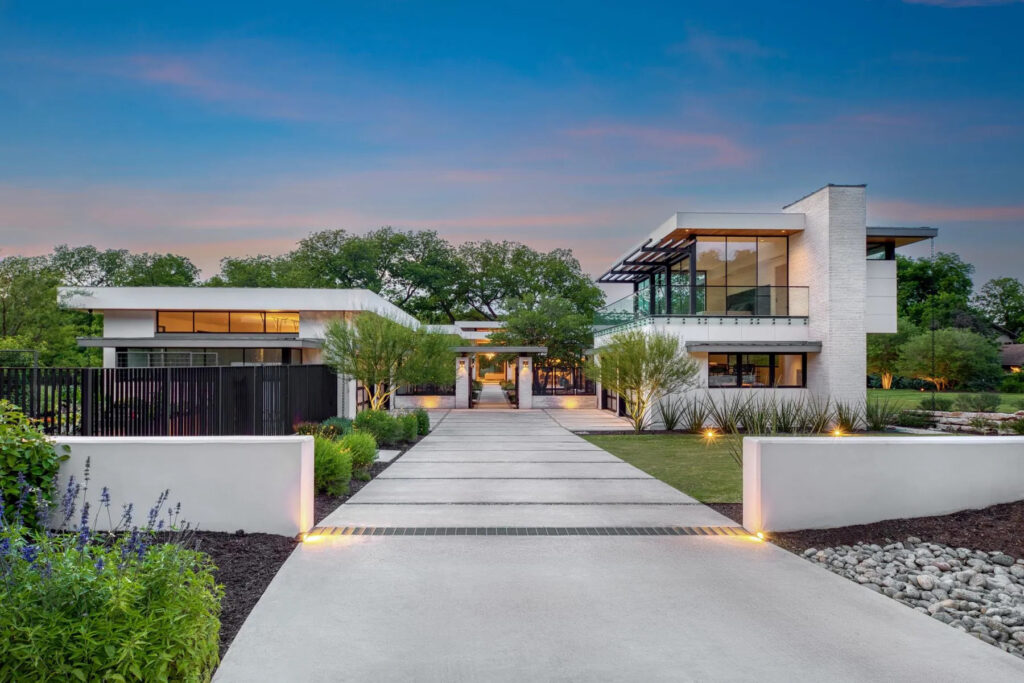
Texas is one of the few non-disclosure states in the U.S., which means sales prices aren’t publicly reported. For luxury sellers, that creates a unique challenge: there’s no quick Zillow scroll or tax record to determine what the market will bear. Instead, pricing becomes a skill — part data, part experience, and part strategic positioning.
And in the luxury segment, getting it wrong (even slightly) can cost six or seven figures.
Why Pricing Luxury in Texas Is Different
Luxury data in Texas simply isn’t clean. Without public sale prices, automated valuation models break down, national comps are unreliable, and county assessments lag behind reality. The market ultimately rewards those who understand:
- Recent private sales
- Off-market trades
- Quiet luxury deals between agents
- Builder and developer pricing
- Micro-market performance by street, school district, and architectural style
This is where agent network and market intel matter more than algorithms.
Micro-Markets Matter More in Luxury
In Austin, you can’t price West Lake Hills the same way you price Tarrytown, Clarksville, or Davenport Ranch — and even within those neighborhoods, streets, views, and school districts move the needle.
Key luxury pricing variables include:
1. View Premiums — lake, skyline, hills
2. Architecture — organic modern is outperforming traditional estates
3. Lot Privacy & Size — scarcity drives value
4. School Districts — Eanes ISD continues to command premiums
5. Renovation Age — buyers will pay more for move-in ready modern
6. Waterfront — extremely limited supply equals long-term premium stability
Traditional square-foot comps don’t capture these nuances well.
Private Data Sources Drive Pricing Accuracy
In non-disclosure states, high-end pricing relies heavily on private data that the public can’t see:
- Broker-to-broker sales
- Off-market activity
- Pocket listings
- Builder sales
- Quiet relocations (common with tech executives)
- Luxury international buyers
The highest-value luxury sales in Austin often never hit the MLS — which means pricing off MLS alone underrepresents reality.
The Art of Positioning a Luxury Listing
The best pricing strategies don’t just chase comps — they position the property within the market narrative. For sellers, that means evaluating:
Market Velocity: Are luxury homes trading fast or sitting?
Inventory Levels: Scarcity or oversupply changes price tolerance.
Buyer Profile: Tech relocation vs. legacy buyer vs. second-home buyer.
Timing: Seasonality matters more in the luxury segment.
Positioning can justify a premium when done correctly.
The Risk of Overpricing (and Underpricing)
Luxury buyers are sophisticated. If a listing is overpriced, they won’t counter below — they’ll simply ignore it.
Overpricing Results In:
– Longer DOM
– Stigmatization
– Price reductions
– Seller leverage loss
Underpricing, on the other hand, leaves money on the table — especially in a market where the difference between $3.5M and $4.2M can hinge on one buyer segment.
Bottom Line: Pricing Luxury in Texas Isn’t Formulaic
In a non-disclosure state, luxury pricing requires:
✓ Data + network + qualitative intelligence
✓ Local expertise at the micro-market level
✓ Knowledge of modern luxury buyer psychology
✓ Understanding of off-market activity
✓ Strategic positioning
It’s equal parts valuation and storytelling — and in Texas, the narrative is often worth as much as the numbers.


or another way